
Many people think only financiers know how to invest. In reality, celebrities also put money to work — and some have successfully grown their wealth not just through film and sport but on the markets as well. Below are several striking examples of Western “celebrity-investors.” They have invested in stocks, backed startups, and even launched their own funds. Their approaches can be instructive for ordinary people: the key is to learn and act consistently.
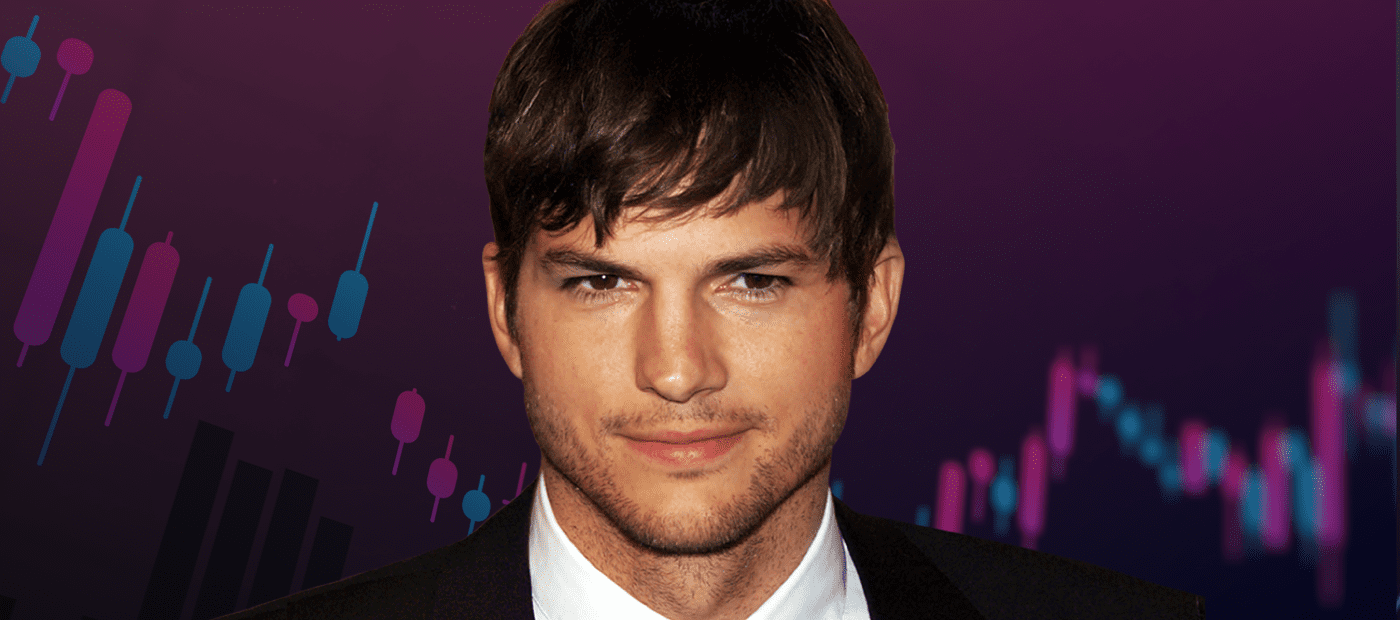
Ashton Kutcher: from actor to venture investor
Ashton Kutcher built a parallel career in Silicon Valley. In 2010 he, together with manager Guy Oseary and partner Ron Burkle, founded the fund A-Grade Investments. By 2016 that fund had grown into a roughly $250 million portfolio that included early stakes in companies like Uber, Airbnb, Spotify, Robinhood and others — in other words, bets on future global hits made at early stages.
In 2015 he launched another fund, Sound Ventures, focused on early-stage startups. He invests sums ranging from about $100k up to $10M (typically around $1M) in seed and Series A rounds, following a clear strategy: back “platform” companies that can transform whole industries. His early faith in shared-ride services and short-term rentals — long before they became commonplace — and early bets on trading and no-code platforms like Airtable illustrate this selective, trend-focused approach.
In 2015 he launched another fund, Sound Ventures, focused on early-stage startups. He invests sums ranging from about $100k up to $10M (typically around $1M) in seed and Series A rounds, following a clear strategy: back “platform” companies that can transform whole industries. His early faith in shared-ride services and short-term rentals — long before they became commonplace — and early bets on trading and no-code platforms like Airtable illustrate this selective, trend-focused approach.
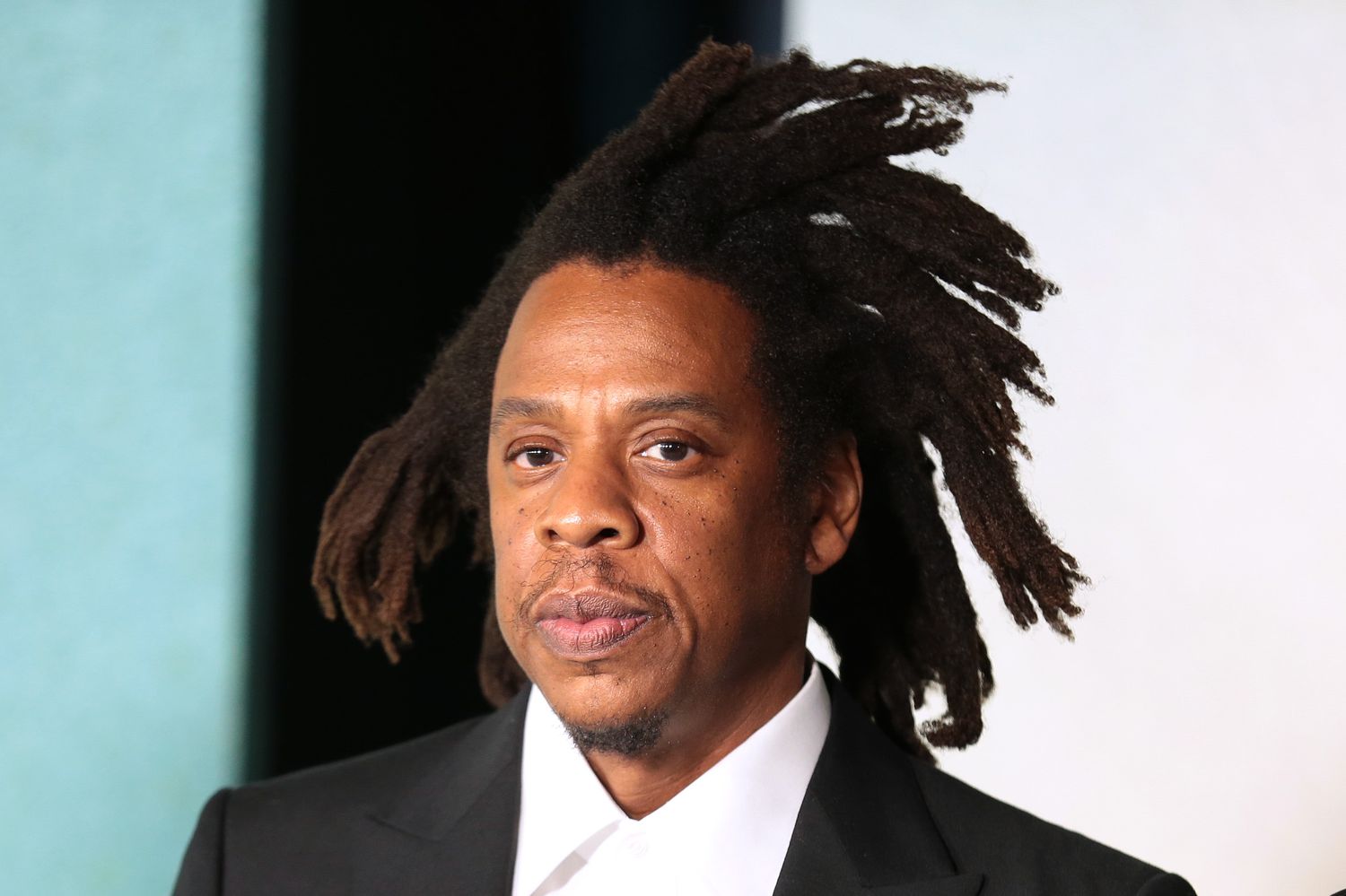
Jay-Z: from music to investing in the future
Jay-Z is not only one of the world’s most successful artists but also an investor who recognized early that money should be put to work. He made early, high-risk bets on companies that later grew enormously; he has backed fintech and consumer services that change everyday habits rather than chasing short-term hype. For example, he invested in fintech firms (one of which is now known as Block) and in private-aviation booking services such as JetSmarter. His simple rule is to invest in things that change how people live — payments, mobility, music, shopping — preferring long-term trend bets over quick market timing.
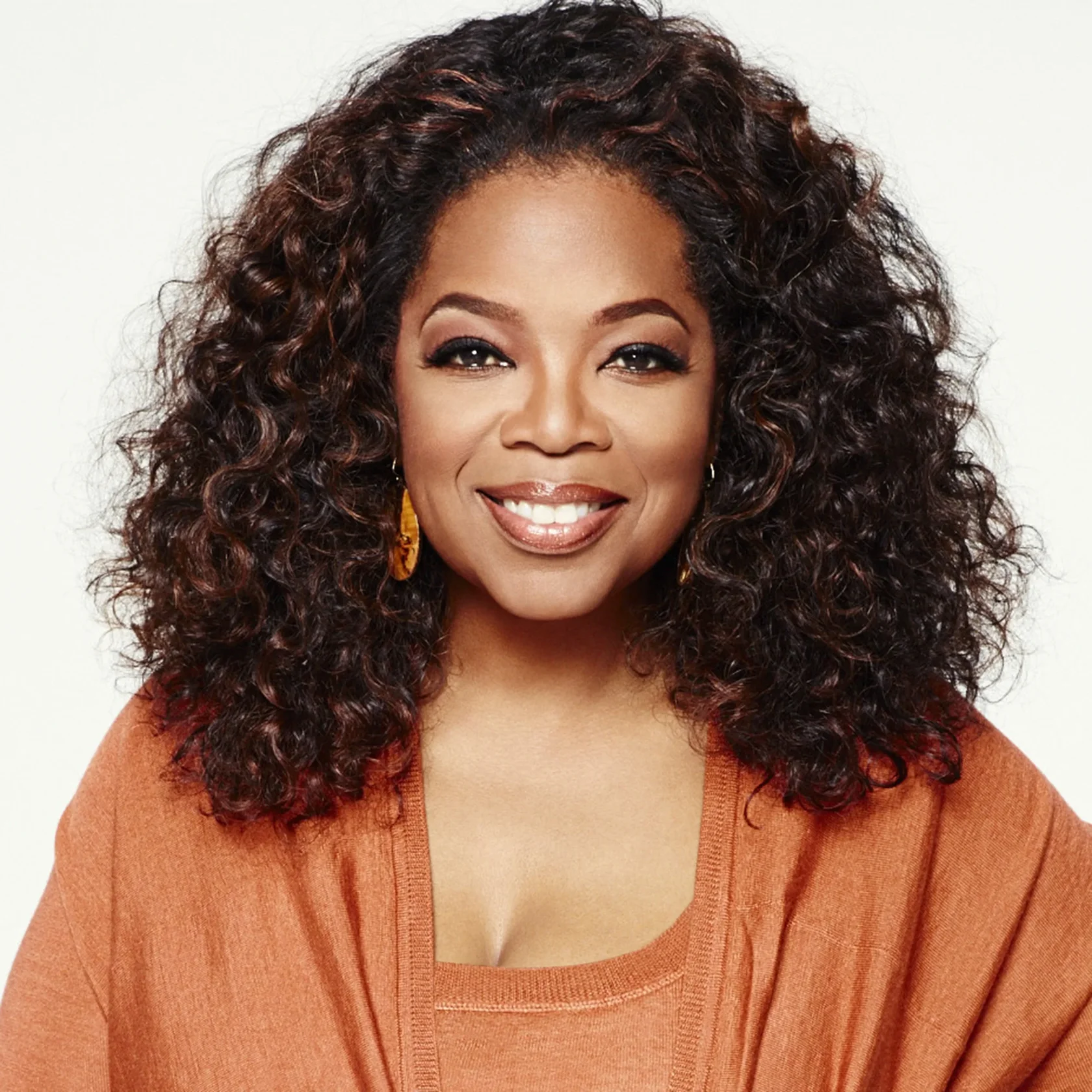
Oprah Winfrey: media empire and profitable stocks
Everyone knows the success story of Oprah Winfrey, but fewer people realize she is also an astute investor. Her best-known move was with Weight Watchers (WW). In 2015 she bought about 10% of the company at roughly $6.80 per share, investing around $43M. At the time, the business was struggling; she joined the board and actively promoted the brand. The share price later jumped nearly tenfold — by late 2018 WW traded above $60 — and she realized an 8–9x gain on her stake, selling a portion to lock in hundreds of millions in profit. This example shows that investing in a “regular” public company can yield huge returns if you pick the right business and actively support it.
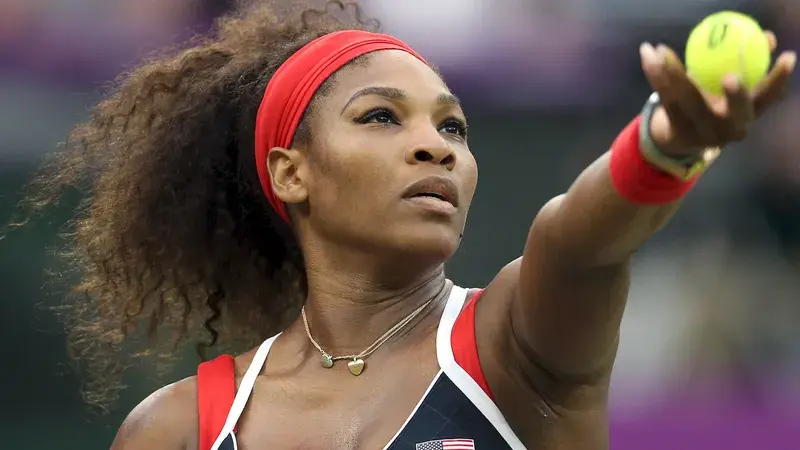
Serena Williams: investing in tech startups
Tennis star Serena Williams is also active as an investor through her own fund, Serena Ventures, launched in 2014. By 2022 the fund had raised roughly $111M and invested in more than 80 companies. Her strategy emphasizes supporting startups led by women and underrepresented founders — groups often overlooked by traditional investors. Notable investments include early stakes in crypto exchange Coinbase, the educational platform MasterClass, and the plant-based food maker Impossible Foods. Her approach demonstrates using personal insight and networks to find trends (financial inclusion, online learning, alternative protein) and spreading risk across multiple ventures while waiting for results.
Kevin O'Leary: the dividend-focused “Mr. Wonderful”
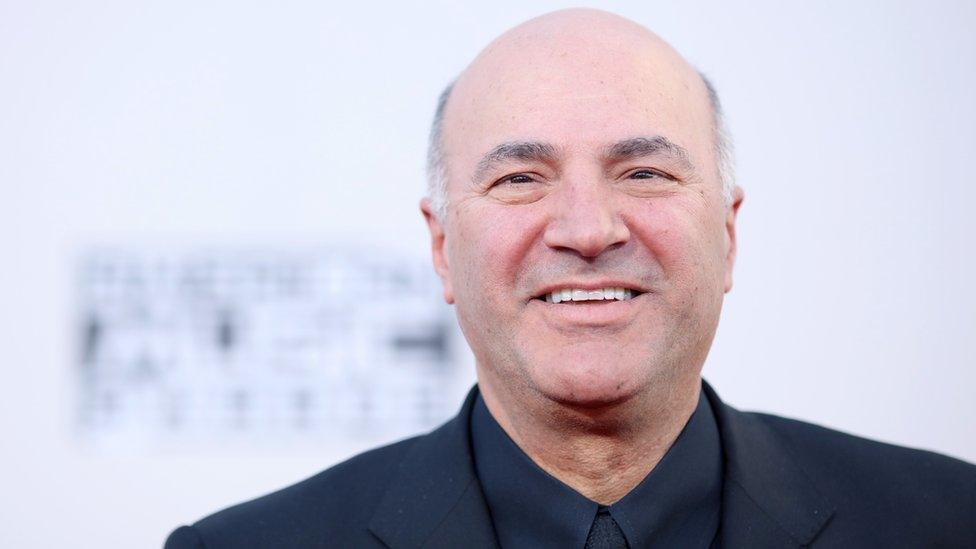
Canadian businessman Kevin O'Leary — known from the show “Shark Tank” — built a reputation as a conservative investor. He launched an investment product, O'Shares FTSE U.S. Quality Dividend (OUSA), focused on quality companies that pay regular dividends. He emphasizes large firms with strong balance sheets, sector diversification, and steady dividend payouts. Top holdings in that ETF include giants such as Microsoft, Apple, Visa, Mastercard and McDonald's. This approach provides a regular cash flow independent of short-term market swings and shows how everyday investors can access dividend strategies via ETFs.
What celebrities and regular investors have in common
Despite differences, there are shared lessons. Stars are not necessarily financial geniuses, but they learn and apply basic principles. From their examples we can draw a few takeaways:
— Gradual investing and long-term focus. Many celebrities invest for years rather than trying to get rich quick. For example, the S&P 500 has historically returned roughly 10–11% annually over decades. Ordinary investors can similarly buy ETFs tracking this index and add regularly.
— Diversification through funds. ETFs automatically spread investments across hundreds of companies, lowering the risk of one bad bet. Firms such as Vanguard note that ETFs provide built-in diversification; for beginners, ETFs are an easy way to mimic the diversified portfolios used by many wealthy investors.
— Quality and dividends. Celebrities often favor well-known “blue-chip” companies. Dividend strategies turn stocks into sources of passive income: companies return part of profits to shareholders in cash. For many investors this means keeping a portion of the portfolio in proven companies or dividend-paying funds.
— Discipline. Stars typically invest only part of their capital and often rely on professional help (advisors, fund managers), which protects them from catastrophic losses. Regular investors should likewise avoid putting everything at risk and spread assets across stocks, ETFs, bonds and cash.
In the end, anyone can invest. The most important things are having a plan, diversifying (ETFs and dividend stocks), investing regularly, and not panicking during drawdowns. As the experiences above show, with a sensible approach even non-celebrity capital can grow into “star” returns.
— Gradual investing and long-term focus. Many celebrities invest for years rather than trying to get rich quick. For example, the S&P 500 has historically returned roughly 10–11% annually over decades. Ordinary investors can similarly buy ETFs tracking this index and add regularly.
— Diversification through funds. ETFs automatically spread investments across hundreds of companies, lowering the risk of one bad bet. Firms such as Vanguard note that ETFs provide built-in diversification; for beginners, ETFs are an easy way to mimic the diversified portfolios used by many wealthy investors.
— Quality and dividends. Celebrities often favor well-known “blue-chip” companies. Dividend strategies turn stocks into sources of passive income: companies return part of profits to shareholders in cash. For many investors this means keeping a portion of the portfolio in proven companies or dividend-paying funds.
— Discipline. Stars typically invest only part of their capital and often rely on professional help (advisors, fund managers), which protects them from catastrophic losses. Regular investors should likewise avoid putting everything at risk and spread assets across stocks, ETFs, bonds and cash.
In the end, anyone can invest. The most important things are having a plan, diversifying (ETFs and dividend stocks), investing regularly, and not panicking during drawdowns. As the experiences above show, with a sensible approach even non-celebrity capital can grow into “star” returns.
HOW TO INVEST?
Open a free brokerage account with Unibank Invest and start investing. The Unibank Invest app provides access to the world’s largest stock exchanges, enabling you to purchase international investment instruments, such as stocks, bonds, and ETFs.
To open a brokerage account, fill out the online application or call +374 43 004 382.
To open a brokerage account, fill out the online application or call +374 43 004 382.